Loading...
Serving Salinas, CA and surrounding areas. (831) 276-7562
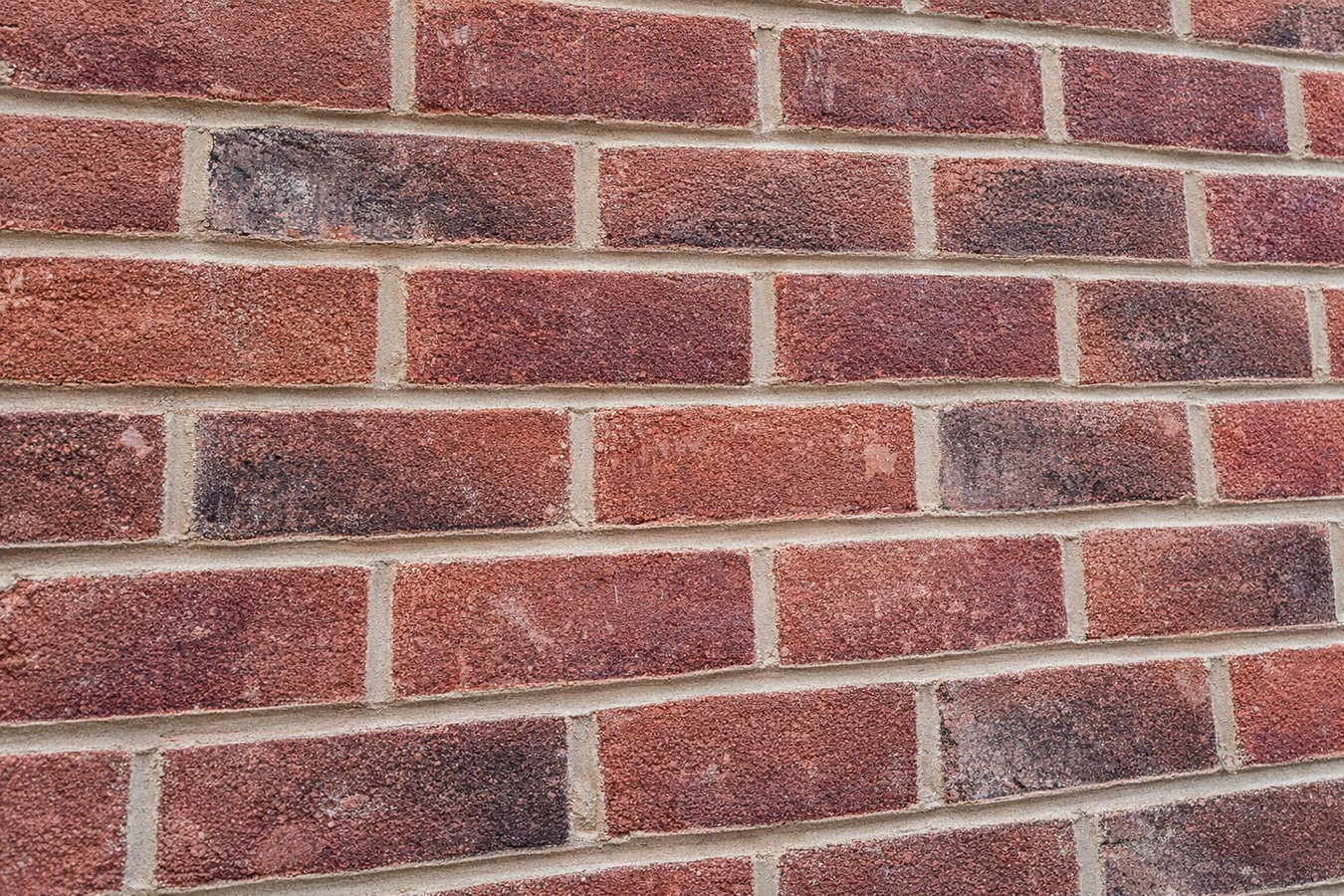
Mortar that crumbles or gaps that let in Salinas's coastal moisture will not fix themselves. We remove the old material, pack in fresh mortar matched to your existing joints, and restore the seal your wall has been missing.
Brick pointing - also called repointing or tuckpointing - is the process of removing old, crumbling mortar between your bricks and replacing it with fresh mortar, a job that typically takes one day for a chimney or small wall section and two to four days for a full exterior wall, with no permit required for most standard residential repointing work in Salinas.
If your Salinas home was built before 1970 and the mortar joints have never been inspected, there is a real chance they need work even if the bricks themselves look fine from the street. Salt-laden coastal air accelerates mortar breakdown faster than it would in a drier inland climate, which means the typical 25-to-50 year lifespan you might read about in general guides often runs shorter here. If the damage is more extensive than mortar joints alone, our masonry restoration service covers structural repairs and full-scope rebuilding beyond what repointing alone can address.
Run your finger along the mortar lines between your bricks. If the material feels soft, sandy, or flakes away with light pressure, it has lost its integrity and is no longer doing its job. Healthy mortar should feel hard and solid - like the brick itself. In Salinas, where marine moisture is a near-daily presence, mortar that feels soft means water already has a path in.
If you can see dark voids or obvious gaps where mortar used to be, water is already getting in. During Salinas's wet winters, open joints like these can allow water to work its way into your wall structure quickly. Once water gets behind the brick face, it can damage interior framing and cause bricks to spall - at that point you are looking at brick replacement, which costs significantly more than pointing.
A chalky white residue on your bricks - called efflorescence - is a sign that water is moving through the wall and carrying mineral salts to the surface. It is a reliable signal that moisture is entering somewhere, and mortar joints are the most common entry point. This is worth having a mason look at, especially before Salinas's rainy season begins.
If you noticed new cracks in your mortar lines after a local earthquake or a period of noticeable ground movement - both common in the Salinas Valley - those cracks need attention before the next rainy season. Even small cracks let water in, and water in a cracked joint expands the damage over time. A mason can assess the extent quickly and tell you what needs immediate repair versus what can be monitored.
We repoint chimneys, exterior walls, garden walls, brick planters, and entryway pillars across Salinas and Monterey County. Every job starts with a careful assessment of what the existing mortar was made of - because matching the new mortar in strength and composition to the original is what separates work that holds for decades from a patch that cracks and separates within a few years. For homes where the brickwork has shifted or bricks themselves are damaged, our foundation repair service can address the underlying movement before surface repointing is done.
For Salinas properties with broader masonry damage - cracked bricks, structural cracks, or walls that have started to pull apart - our masonry restoration service handles the full scope of work that goes beyond joint repair. The Brick Industry Association and the National Park Service Preservation Briefs on repointing set the technical standards for this work, and we follow those guidelines on every project.
Best suited for Salinas homes where the chimney mortar has not been inspected in 15 or more years, particularly if the structure is exposed to the marine fog most mornings.
The right choice for homes built before 1970 in neighborhoods like Alisal and Old Town, where the original soft mortar formulations are now well past their expected lifespan.
Suited to original brick planters, pillars, and low garden walls that are structurally sound but have crumbling joints letting moisture reach the interior.
Targeted repointing for Salinas properties where seismic activity has opened mortar joints or widened hairline cracks that were not previously a concern.
Salinas sits close to Monterey Bay, and the marine layer that rolls in most mornings carries salt moisture that is harder on mortar than ordinary rain. Salt works its way into the pores of mortar and breaks it down from the inside - which means brick walls in Salinas often need attention sooner than the standard guides suggest. Homes on the south and eastern edges of the city, closer to the agricultural fields, also see wind-driven dust settle into mortar joints over time, adding another way moisture gets trapped against brick surfaces. On top of that, Salinas sits in a seismically active part of California, and repeated small tremors over years can gradually loosen mortar bonds in ways that are not obvious until you look closely.
Homeowners in Gonzales and Soledad deal with similar seasonal soil movement and aging housing stock, and we bring the same locally grounded approach to mortar assessment and material selection on every job across the region.
When you reach out, we ask a few basic questions - what type of masonry you have and roughly how much area looks damaged. We schedule a site visit, walk the wall or chimney with you, and check how deep the damage goes and whether scaffolding will be needed. Plan for one business day to hear back after your first contact.
After the assessment, you receive a written estimate covering the scope of work, materials, timeline, and total cost. In California, any home improvement contract over $500 must be in writing - if a contractor wants to start without paperwork, that is a red flag. Review the estimate carefully and ask about anything that is not clear before you sign.
On work day, the crew sets up drop cloths to protect plants and outdoor furniture, then uses a grinder or chisel to remove old mortar to the right depth - about three-quarters of an inch - deep enough to get a solid bond with the new material. You will hear grinding and tapping, and there will be some dust, but the mess is contained to the work area.
Fresh mortar is packed into the joints in stages, then tooled to match the profile of the existing joints. This is the step that determines how the finished job looks and performs - mortar matched in both strength and color to what was there before. After the work is done, mortar needs 24 to 48 hours to cure before it can get wet, and up to 28 days to reach full strength.
We come out, walk the wall with you, and give you a written estimate before any work starts - no obligation.
(831) 276-7562Older homes in Salinas used softer mortar formulations than what is standard today. If a contractor replaces that soft mortar with a harder modern mix, it can cause your bricks to crack over time because the rigid new mortar does not flex the way the original did. We assess the existing mortar and match the new material in both strength and composition - which is especially important for homes in Salinas's historic neighborhoods.
The marine moisture that rolls in off Monterey Bay most mornings is harder on mortar than ordinary rain, and the wrong mortar mix or application timing will show it within a few years. We schedule pointing work during Salinas's drier months and use mixes suited to the coastal environment - so your walls stay sealed and solid, not just freshly patched.
Many Salinas homeowners put off calling a contractor because they were afraid of being pushed into work they did not need. Our assessment tells you what genuinely needs attention now, what can wait, and what looks fine. You make an informed decision with no pressure, and you pay only for what your home actually needs.
The National Park Service Preservation Briefs on repointing are the gold standard for restoring older brick and stone without damaging original materials. If your Salinas home was built before 1960 or sits in a historic district, those guidelines matter - and a contractor familiar with them is the right choice. We follow those standards on every older-home project.
Good brick pointing work is invisible when it is done right - the joints look like they have always been there, and the wall does what it is supposed to do. That is what we aim for on every job, from a single chimney to a full exterior wall.
When deteriorated mortar joints are part of a larger pattern of foundation movement, foundation repair addresses the root cause before surface work is done.
Learn MoreFull-scope restoration for brick and stone structures where pointing alone is not enough - covering structural repairs, cleaning, and long-term weatherproofing.
Learn MoreSpring and early summer book up quickly - reach out now before the fog season returns and your open joints face another wet winter.