Loading...
Serving Salinas, CA and surrounding areas. (831) 276-7562
SLM Salinas Masonry is a masonry contractor serving Carmel-by-the-Sea, CA, specializing in fireplace installation, stone masonry, and chimney repair for the village's historic cottages and coastal properties. We have served the Central Coast since 2019 and understand both Carmel's design review requirements and what decades of salt air and Monterey pine canopy do to masonry over time.
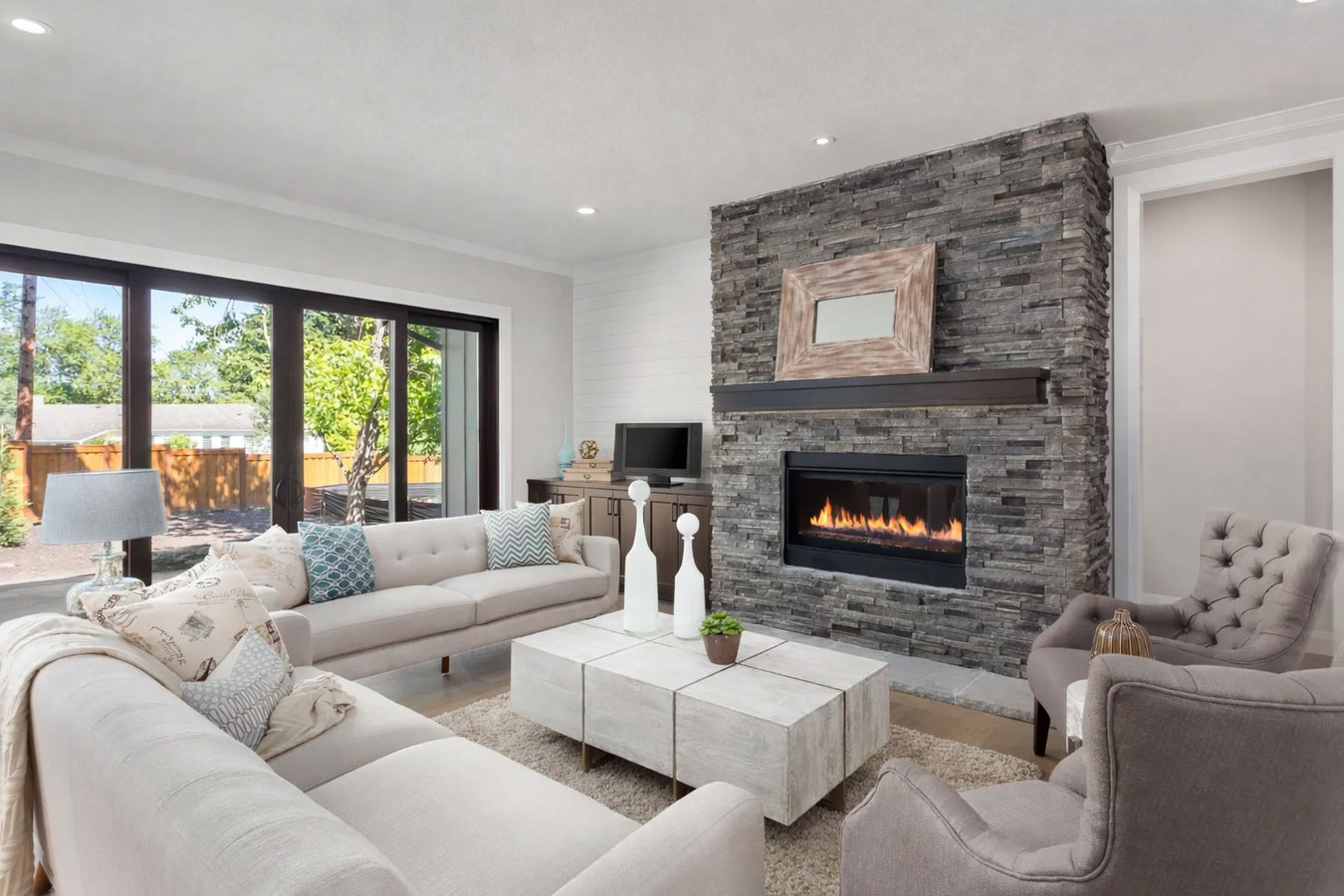
Many of Carmel's storybook cottages were built with original masonry fireplaces that are now 80 to 100 years old - some have been sealed up or left unused for decades while the firebox and flue quietly deteriorated. Whether you want to restore an existing fireplace to working order or add a new one to a cottage that never had one, the work here requires understanding both Carmel's design review requirements and the structural realities of older wood-frame cottages. See our fireplace installation service for a full overview of what the process involves.
Carmel has a long tradition of hand-built stone structures - Tor House, the stone cottage and tower that poet Robinson Jeffers built on Carmel Point, is one of the most famous examples, but stone walls, chimneys, and garden features appear throughout the village. The salt air and moisture here are harder on stone mortar than in most California climates, so new stone work and restored stone structures both need to be done with materials and mortar mixes suited to this environment, not generic specs from a drier part of the state.
Original brick chimneys on Carmel cottages have been through a century of coastal fog, salt air, and occasional hard winter rains - and many of them show it. Spalling brick faces, crumbling crown mortar, and open flue joints are common on older chimneys here, and the consequences of leaving them unaddressed range from water intrusion into the firebox to structural instability that becomes a safety concern when the ground shakes. Catching chimney deterioration early is consistently less expensive than the water damage or rebuild that follows when it is left too long.
Carmel cottages with original stone walls, brick chimneys, or decorative masonry details often need restoration work that matches the historic character of the village - not just a patch that fills the gap. Using the right mortar mix is especially important on older structures, since modern high-strength cement mortar can be too rigid for the softer brick and stone used in early 20th-century construction, and can cause the original material to crack over time. Matching the repair to what was originally there preserves both the look and the integrity of the structure.
In Carmel's damp coastal environment, the mortar joints on brick chimneys and garden walls break down faster than in drier California cities. A structure that might go 30 years between repointing jobs in Sacramento may need attention after 15 or 20 years in Carmel. Tuckpointing removes the deteriorated mortar and replaces it with fresh material matched to the original, sealing the structure before water works its way behind the brick face and causes the kind of damage that is much harder and more expensive to fix.
Spalling brick - where the outer face of the brick breaks away in layers or flakes - is a common sight on older Carmel chimneys and walls that have faced decades of salt-air exposure. Once brick starts spalling, the underlying material is more porous and absorbs moisture faster, which accelerates further damage. Replacing spalled bricks with matched replacements and addressing the mortar joints around them stops the cycle and keeps the wall from deteriorating into a structural problem over the next few years.
Carmel Beach is steps from most homes in the village, and the salt-laden air coming off the Pacific reaches every corner of town. Salt particles settle into mortar joints and porous stone surfaces year-round - it is not a seasonal problem, it is a constant one. Combined with the morning fog that keeps surfaces wet for hours each day, masonry here deteriorates noticeably faster than in inland California cities. A contractor who understands this does not simply apply standard materials and move on - they select mortar mixes and sealants with the specific demands of a coastal environment in mind, and they know which stone types hold up best here over the long term.
The housing stock adds another layer of complexity. Carmel was founded as an artists' colony in the early 1900s, and a large share of the homes were built between 1910 and 1940 - often with original wood, stone, and custom details that are no longer standard. The city also has detailed design review requirements that apply to exterior work on homes, meaning a masonry project here often involves more approvals than a similar job in a typical California suburb. Homeowners here invest in their properties - median home values in Carmel are well above $2 million - and getting masonry work done correctly the first time matters both for the structure and for what a careful buyer will notice during inspection.
Our crew works throughout Carmel-by-the-Sea regularly and understands the local conditions that affect masonry work here. We are familiar with the city building department's permit and design review process for exterior work on homes, and we know that many jobs in this village require more advance planning than a standard permit pull - something first-time Carmel contractors often discover too late.
Carmel's small lots and tightly spaced cottages mean access is often limited - materials need to be staged carefully, and work on the side of a cottage may be only a few feet from a neighbor's property. The Monterey pines that shade most of the village also drop needles continuously, which clog gutters and send overflow water straight down masonry faces every winter. We take these site-specific factors into account at the estimate stage rather than discovering them once work has started.
We also serve Gonzales and other communities across the Salinas Valley and Monterey Peninsula, so we understand the full range of conditions in this region - from the inland clay soils and heat of Gonzales to the ocean-facing salt exposure of Carmel. Pacific Grove is another community where we work regularly - similar coastal conditions, similar Victorian-era and early 20th-century housing stock that demands careful matching of materials and mortar.
Reach out by phone or through the contact form and we will respond within one business day. We will ask a few basic questions about the project - where the work is, what you are seeing, and whether there is an existing structure involved - so we can plan the right amount of time for the site visit.
We visit your Carmel property, look closely at the masonry, and take note of site conditions - access, neighboring structures, tree coverage, drainage. After the visit, we provide a written estimate that covers labor, materials, permit fees if required, and a realistic timeline. No verbal quotes - you see the full scope before committing.
For projects requiring a city permit or design review, we handle the application process on your behalf. Carmel's review timeline varies by project type - plan for one to three weeks from submission to approval on typical structural masonry work. We do not start work until all required approvals are in hand.
The crew arrives with materials staged for Carmel's tight access conditions and works through the project efficiently. We clean up the site at the end of each day and walk you through the finished work before we leave, answering any questions about what to watch for and how to maintain the new masonry.
We serve Carmel-by-the-Sea and the surrounding Monterey Peninsula. Reach out today and we will respond within one business day.
(831) 276-7562Carmel-by-the-Sea is one of the smallest incorporated cities in California, covering just about one square mile on the Monterey Peninsula with a permanent population of roughly 3,200 people. The city was founded in the early 1900s as an artists' colony, and that history is still visible throughout the residential neighborhoods - small storybook cottages with steep pitched roofs, hand-hewn wood details, stone chimneys, and irregular floor plans built between 1910 and 1940 line the streets surrounding Ocean Avenue. Many homes sit on small lots shaded by mature Monterey pines, and median home values sit well above $2 million - making it one of the most expensive residential communities on the Peninsula.
Almost all properties in Carmel are single-family detached homes, and a significant share are used as second residences or vacation properties rather than primary homes. Homes that sit empty for stretches of time tend to accumulate maintenance problems that go unnoticed - clogged gutters sending overflow water down chimney faces, cracked mortar that gradually admits more moisture each rainy season. Carmel draws millions of visitors each year to its beach, galleries, and boutique shops, but for the homeowners who live here or care for properties here, the practical reality is a demanding coastal environment that rewards regular maintenance. We also work regularly in Monterey to the north, where many of the same coastal masonry conditions apply.
Stabilize and restore your foundation to protect your property long-term.
Learn MoreReplace deteriorated mortar joints to restore masonry strength and appearance.
Learn MoreBuild retaining walls that control erosion and define your landscape.
Learn MoreAdd a custom masonry fireplace that becomes the centerpiece of your home.
Learn MoreConstruct solid, low-maintenance concrete block walls for any application.
Learn MoreInstall reliable block wall foundations engineered for lasting structural support.
Learn MoreDesign and build a custom outdoor kitchen built to entertain for decades.
Learn MoreCreate safe, beautiful walkways using brick, stone, or paver materials.
Learn MoreBuild handsome, long-lasting brick walls for privacy, security, or style.
Learn MoreCall us today or submit an estimate request - we respond within one business day and understand what Carmel's cottages and coastal conditions demand.